


[ad_1]
Rovio is well known for Angry Birds Games, merch and even movies. On April 15, their new team-oriented RPG, Darkfire Heroes, arrives on iOs and Android. Like many other mobile versions, Darkfire Heroes has had a soft launch in some regions, but the global launch is slated for this Thursday. The game marks the first release from Rovio’s studio in Copenhagen and is the first release under the CEO’s direction. Alex Pelletier-Normand. We caught up with Rune Vendler, head of Rovio Copenhagen, to ask him a few questions about the upcoming game and the mobile environment.
Game Informer: Apart from discoverability, what is the biggest challenge in mobile gaming today?
Rune Vendler: The next change in Apple’s privacy policy is one of the challenges the entire mobile gaming industry is facing now. We don’t know how the policy changes will affect us; no one in the industry has an answer to that yet. But at Rovio, we are very well prepared for this change. We have a strong community base for the game that has formed during the progressive launch period, which will help us discover and engage fans.
When we talk about game types, we sometimes hear the term “mid-core” when defining a game. What does this term mean?
I don’t know of any formal definition. In my opinion, the middle market is defined by the RPG, Strategy, and Shooter genres – games that often have more complexity in their mechanics, content, savings, or player-to-player interactions than casual / breakout titles. head.
What makes Darkfire Heroes different from other games like this on the market?
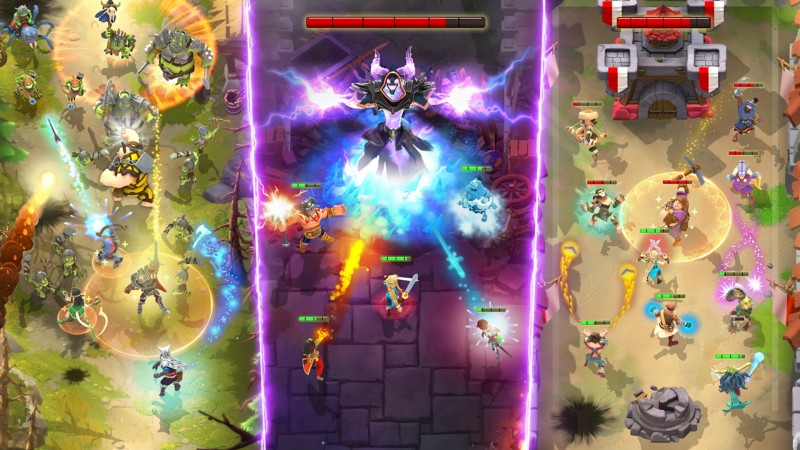
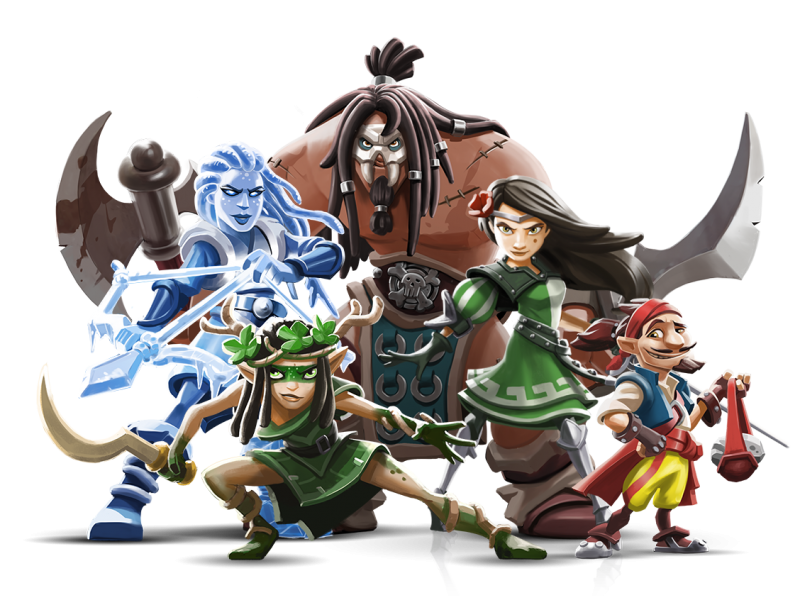
Darkfire Heroes does a really good job offering both an engaging campaign (PvE) and an exciting arena (PvP). We’ve spent a long time crafting some really exciting and varied heroes to collect, and PvE and PvP play very well with the real-time combat mechanics of the game – there’s a good balance between skill and potency. These two teams also meet in in-game events, where players, either alone or in clans, compete against each other in a variety of special game modes.
We are working closely with the community to balance and evolve the game. It was great to see how fans have already engaged with Darkfire Heroes during the progressive launch period. While the game team of course sets the roadmap, we pay a lot of attention to the community, and we also have a player council, where we speak directly to key community members.
Why the switch to Darkfire Heroes from another established studio IP?
Rovio acquired Darkfire Games studio in 2020 to strengthen its mastery of the genre in RPGs, expand the game portfolio into new areas of the mobile gaming market, and reach a different kind of target audience. The team are really knowledgeable about making RPGs and they know how to do it well working together for so many years. The studio already had Darkfire Heroes in progressive launch at the time of acquisition. This game is our first entry into the team-based action RPG genre, opening up new opportunities for us to use our genre mastery philosophy as part of our growth strategy. Part of our growth strategy is also to diversify the game portfolio with new IPs, while Angry Birds remains a unique asset for Rovio and we also continue to invest in the Angry Birds brand in the future.
The target audience for this game is 16-44 mid-level players who enjoy a game with the right amount of action, RPG, and strategic depth that can be enjoyed on the go. So like all Rovio games, this game is developed and marketed to adults but might appeal to different types of gamers.
What were some of the features that were tried and dropped when making Darkfire Heroes?
During development, we tried out a variety of game modes, heroes and enemies, level designs, and magic spells. Some made the cut, some didn’t – although there is still hope that some of the designs may resurface later. I think we’ve managed to find a good selection of features for the game so far, but there is always room to expand the game.
Are there any plans to bring Darkfire Heroes to other platforms?
Currently no, we are releasing the game on iOS and Android at the moment.
As mobile games continue to innovate strategies to keep gamers engaged and entertained, how does this relate to monetization? Has analytics and data been used to create new models and strategies for players to invest and be active as DAU and MAU?
We always start from the same principles as usual: we must create a game that is engaging and fun. In this way, we gain the attention and time of the players, and when they log into the game, we strive to create enough value for them that they want to spend money in the game. helps us understand what works and what does not and can point us towards improvements and optimizations. The information also helps us personalize the experience and balance the game.
Do you play mobile games? Are you interested in discovering this kind of experience? Let us know in the comments!
[ad_2]


